Are true crime podcasts foidslop?
Podcasts where two friends talk through a murder case in detail, with an ad for a mattress in the middle.
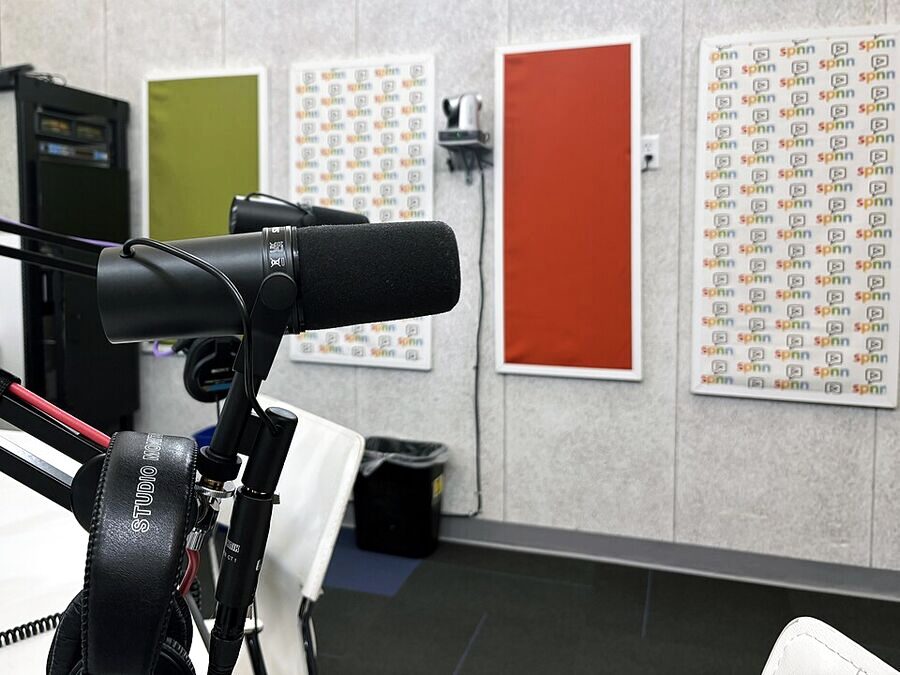

The typical true crime podcast is two friends going through a murder or a disappearance over an hour or more, with jokes in between and an ad break somewhere in the middle. A lot of people listen while doing chores or going for a run, and a surprising number listen to fall asleep.
The audience is mostly women, and the bigger shows have catchphrases that fans put on shirts. Ask a fan and they'll tell you, in some detail, what they'd do if somebody tried to abduct them.
True crime has been a big genre for a long time, from In Cold Blood to tabloid TV, but podcasts gave it a new form. Serial, which came out in 2014, is usually credited with starting the boom. My Favorite Murder followed in 2016, with Karen Kilgariff and Georgia Hardstark mixing case stories with personal chat, and its sign-off, 'stay sexy and don't get murdered,' became merch.
Surveys of the audience have consistently found that more women than men listen. Researchers have suggested reasons ranging from wanting to know how to stay safe to the appeal of a puzzle. The genre also gets criticism, mostly about how it treats victims and their families, and some podcasts have been accused of getting facts wrong. That debate is serious enough that 'slop' feels like the wrong word.
Yes, because
- People fall asleep to them
- The listeners are mostly women
- There are catchphrases and merch
No, because
- The subject is murder, which isn't exactly cute
- A few shows have helped get cold cases reopened
- Some podcasts and documentaries have led to cases being reopened or convictions being overturned
More on the words: what moid means. More like this in foidslop shows, books and movies.